Scrawl: A Serif Font for Editorial Elegance
The Art of Choosing the Right Typeface
In editorial design, the choice of font can make or break the visual appeal and readability of your content. Whether you're crafting a blog post, designing a magazine cover, or creating an ebook, the right typeface sets the tone and enhances the reader’s experience. Scrawl is a serif font that combines style with functionality, offering a unique blend of elegance and approachability.
What Is Scrawl?
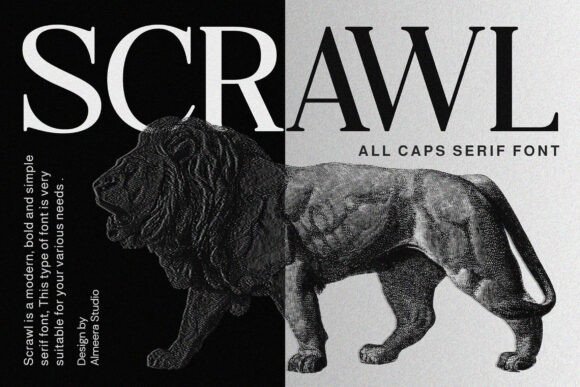
Scrawl is an all caps, stylish serif font designed to stand out while maintaining readability. Its elegant strokes and refined structure give it a sophisticated feel, making it ideal for both digital and print media. The font's bold yet balanced appearance allows it to convey authority and creativity, which makes it a versatile tool for various editorial applications.
Editorial Uses for Scrawl
Scrawl shines in editorial contexts where visual impact and readability are equally important. It works exceptionally well as a headline font, adding a touch of sophistication to your blog headers, magazine covers, and newsletter titles. Its strong character makes it perfect for attention-grabbing sections such as pull quotes, chapter openers, and quote graphics.
For content creators looking to build brand identity, Scrawl offers a consistent and memorable look. It can be used across different formats—ebooks, printable guides, and digital templates—to reinforce a cohesive design language. When paired with a clean sans serif font for body copy, Scrawl adds visual contrast without overwhelming the reader.
Visual Hierarchy and Reader Engagement
One of the key strengths of Scrawl is its ability to support visual hierarchy. By using it for headlines and subheadings, you guide the reader’s eye through your content effectively. This is particularly useful in long-form articles, where clear sectioning helps maintain focus and engagement.
Additionally, Scrawl's personality is both modern and classic, allowing it to adapt to different moods and tones. Whether you're designing a lifestyle blog, a recipe ebook, or a wedding guide, Scrawl can help set the right visual tone and enhance the overall aesthetic of your publication.
Practical Applications Across Media
Scrawl is not limited to digital use—it performs well in print as well. From packaging design to social media graphics, this font brings a professional edge to your creative projects. For example, a digital magazine might use Scrawl for its cover text and section headings, while a printable planner could feature it on title pages and weekly summaries.
When it comes to web design, Scrawl is best suited for short text elements like navigation menus, captions, and call-to-action buttons. However, it should be used sparingly in body copy due to its bold weight and high contrast. Instead, pair it with a more readable serif or sans serif font for longer reading experiences.
Font Pairing and Design Considerations
To ensure optimal readability and visual balance, consider pairing Scrawl with a complementary typeface. For instance, a modern sans serif like Montserrat or Lato can provide a clean contrast to Scrawl's boldness. In print, a lighter serif font like Georgia or Times New Roman can serve as a great body text complement.
When using Scrawl in PDF exports or mobile layouts, pay attention to spacing and line height. These settings can significantly affect how the font appears across different devices. Testing your designs on multiple platforms ensures that your content remains visually appealing and easy to read.
Commercial Licensing and Brand Identity
If you're working on commercial projects such as ebooks, templates, or paid newsletters, it's essential to check the licensing terms of Scrawl. Most premium fonts offer commercial use rights, but always verify the specific conditions to avoid any legal issues.
Scrawl is also a valuable asset for building brand identity. Its distinctive style can help differentiate your content from competitors while reinforcing your brand’s voice and visual language. Whether you're launching a creator newsletter or designing a coaching workbook, Scrawl can elevate your design and create a lasting impression.
Conclusion
Scrawl is more than just a font—it's a design tool that enhances editorial work with its elegance, versatility, and readability. By understanding how to use it effectively, you can create visually compelling content that resonates with your audience and supports your brand’s identity. Whether you're a blogger, publisher, or designer, Scrawl offers a powerful solution for achieving both style and substance in your publishing projects.